I. Core Gate Types and Application Scenarios
-
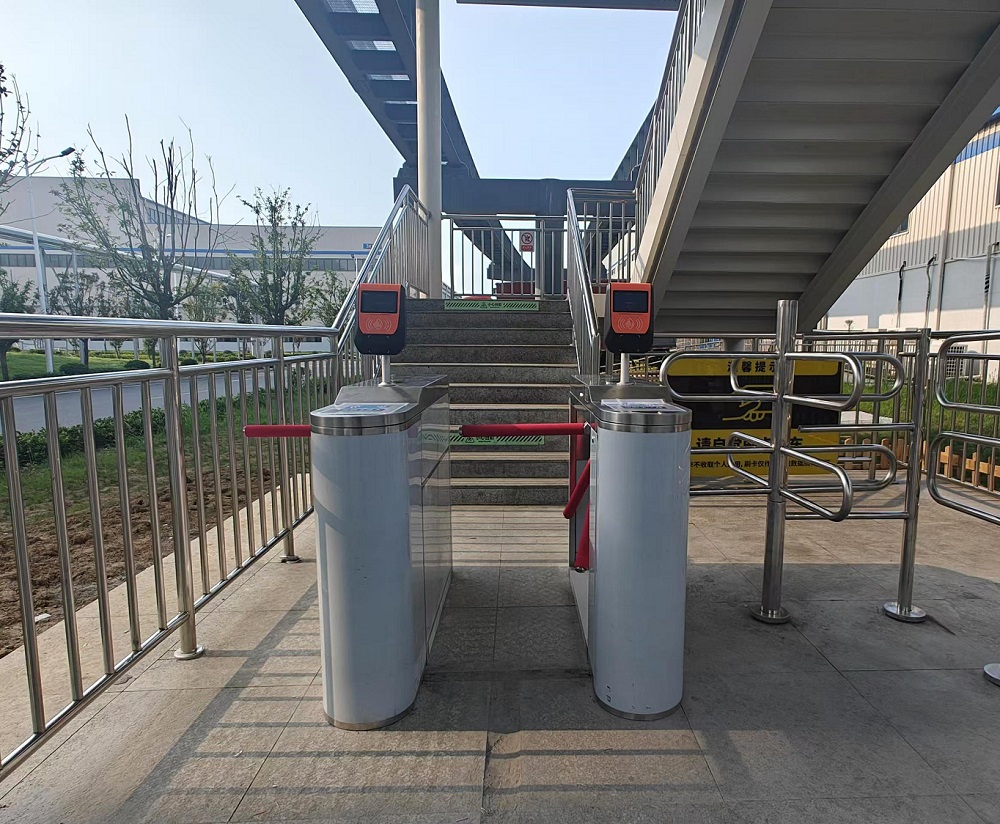
Tri-Barrier Gates
- Structure: Three rotating bars with a 0.5-meter passage width; response time: 2-3 seconds
- Application: Standard subway station channels; cost-effective and highly durable, accounting for >70% of subway gates in China
-
Flap Gates (Wide Passage)
- Design: 0.9-meter fan-shaped door with triangular structure for bulky luggage/strollers
- Special Function: Supports free passage for disabled veterans (manual override by staff)
-
Swing Barriers (Next-Gen)
- Upgrade: Rectangular door design increases throughput by 30%; anti-tailgating via unidirectional infrared sensors
- Safety: Auto-locks upon reverse intrusion; clamping force ≤2kg
-
Normally Open Mode Gates (Pilot Innovation)
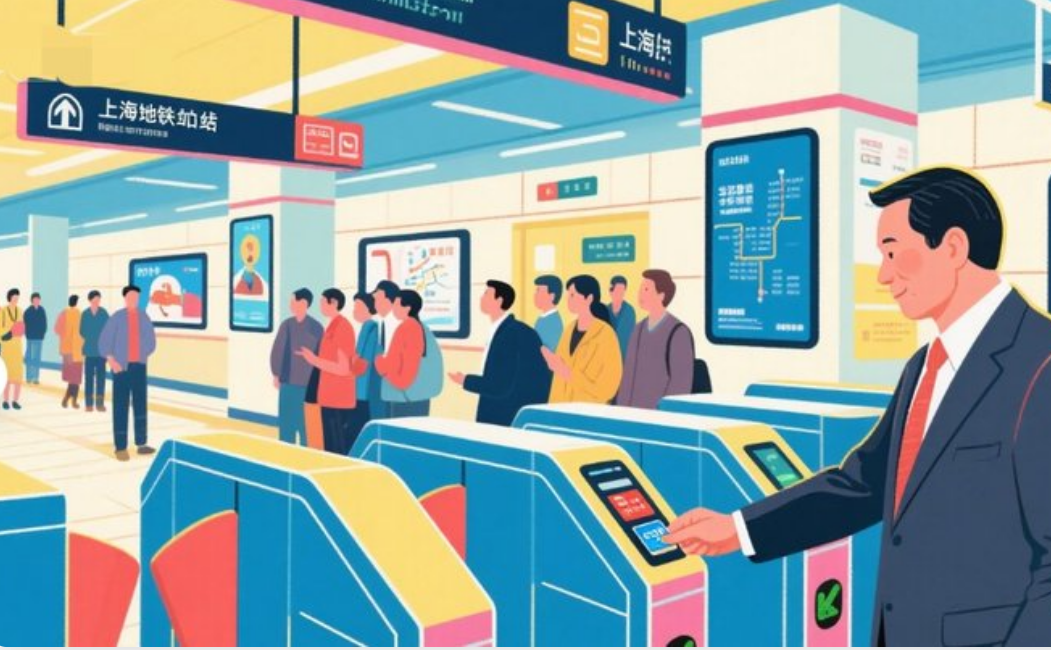
- Operation: Gates remain open; green arrow display post card-scan enables frictionless transit
- Pilot Cities: Shanghai (Zhanghuabang Station), Guangzhou (2024 launch); 40% peak-hour efficiency gain
II. Evolution of Smart Recognition Tech
-
Multi-Modal Verification
- Baseline: RFID cards
- Extensions:
- Mask-compatible facial recognition
- QR codes
-
Anti-Conflict Protocol
- Manual deactivation needed when physical card conflicts with facial recognition
- Foreign card payment systems use isolated channels
III. System Integration & Safety
-
Triple Anti-Pinch Tech
- Infrared monitoring + mechanical rebound + electromagnetic cutoff
- Passage detection error <0.1s; tailgating ID rate >99.8%
-
Smart Management
- Crowd Control: SuiTeng OS analyzes carriage density for real-time (diversion)
- Emergency Mode: Auto-switch to open mode during fires/earthquakes; manual override buttons
- Security Synergy: Gates integrated with AI (security gates) for suspicious behavior alerts
IV. Maintenance Optimization
| Failure Type |
Solution |
| Valid card rejection |
Check power module/reboot auth chip |
| QR code delay |
Clean sensors/adjust IR sensitivity |
| Communication failure |
Test 485 bus shorts/replace comms module |
| False anti-tailgate alerts |
Calibrate IR angles/optimize algorithm |
Deployment Note: Card readers >30cm from metal objects; separate power/data cables (>20cm spacing).
V. Future Development
- Frictionless Passage: Biometric-payment integration.
- Modular Upgrades: "Normally Open Mode" via software.
- Smart O&M: Self-diagnostic systems with real-time fault alerts.

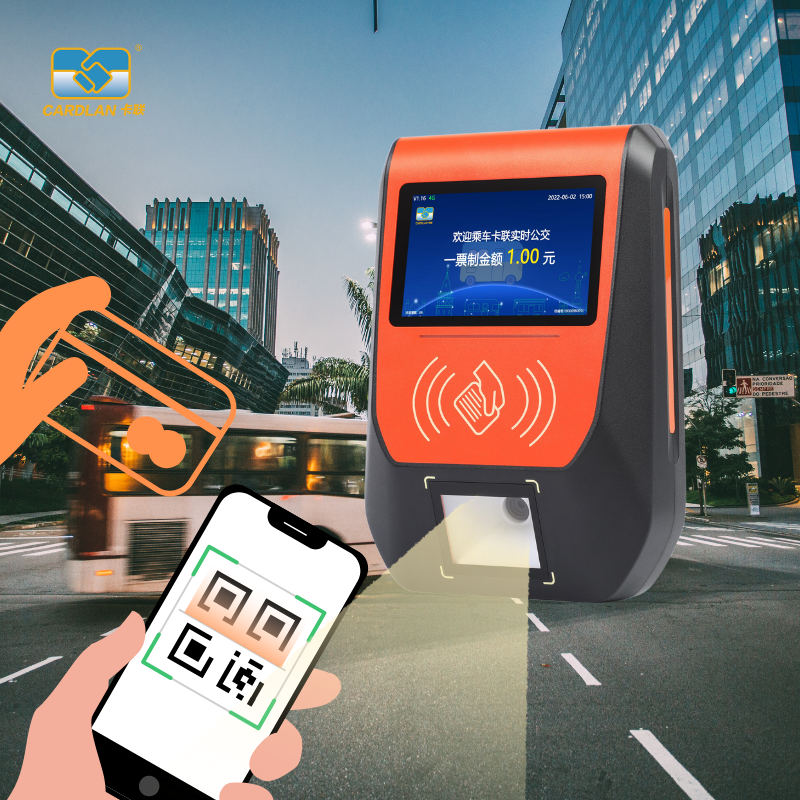 How to develop the bus card reader APP?
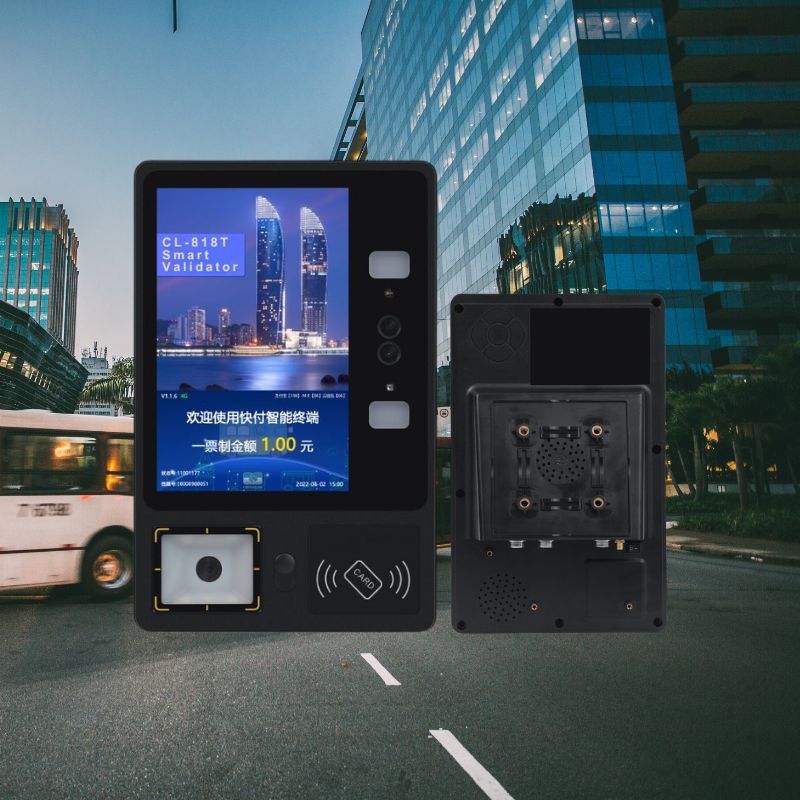 Create smart public transportation to make travel more convenient
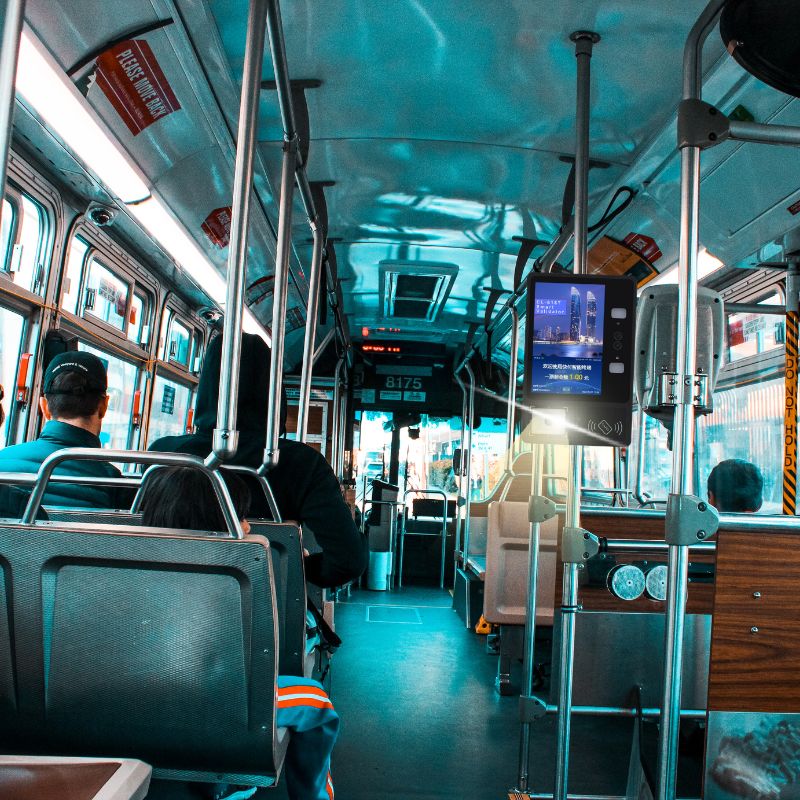 2026 New start of Cardlan bus validators!!!
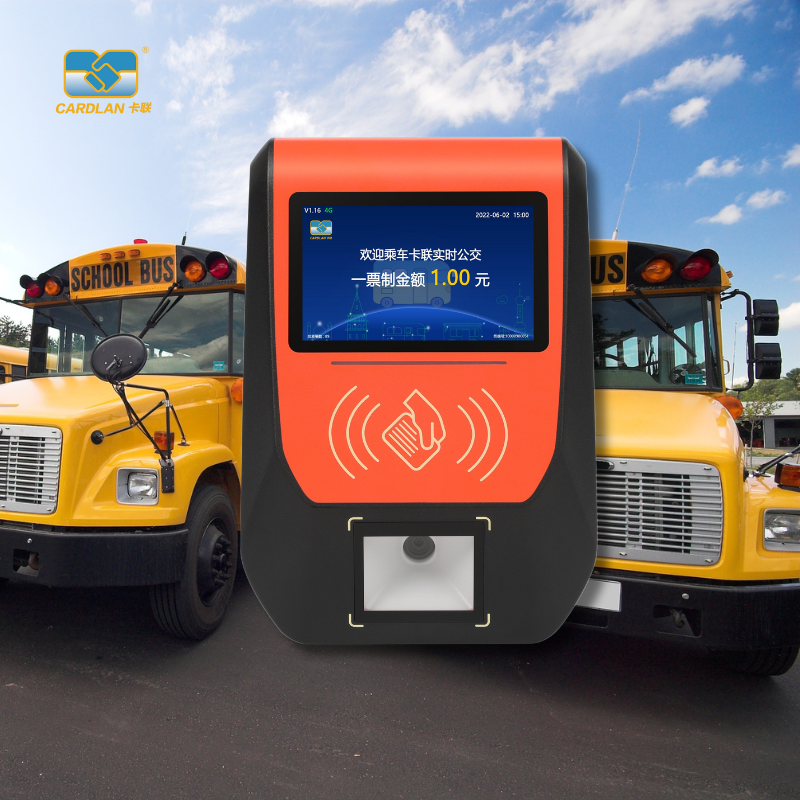 Cardlan Bus segment fare collection system