
Reduces boarding/alighting time: Contactless systems (e.g., IC cards, QR code payments) replace cash transactions, significantly cutting dwell times at stops. This alleviates congestion during peak hours and increases route turnover rates.
Automates fare management: Reduces labor costs for manual ticketing, minimizes cash-handling risks, and leverages real-time transaction data to optimize vehicle scheduling and route planning.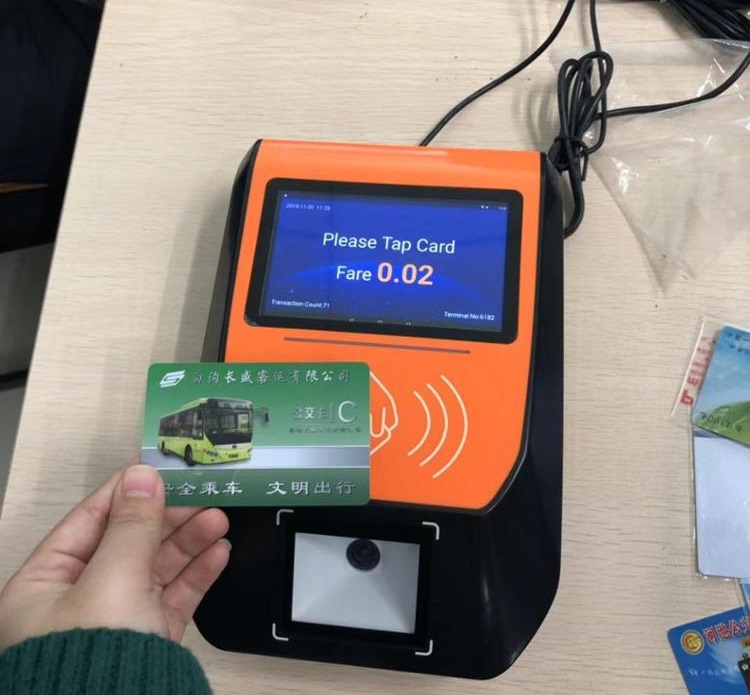
Precise passenger flow analysis: Fare collection data tracks ridership by time, route, and station, enabling evidence-based adjustments to service frequency and route design (e.g., express routes or extended hours).
Example: Beijing introduced "direct express buses" during rush hours by analyzing peak-time ridership patterns.
Dynamic resource allocation: Integrates GPS and fare data to monitor vehicle occupancy in real time, allowing flexible redistribution of resources to avoid overcrowding or underutilization.
Diverse payment options: Supports discounted fares for seniors, students, and disabled riders, ensuring affordability and social inclusivity.
Regional interoperability: Cities in regions like the Yangtze River Delta and Beijing-Tianjin-Hebei area enable cross-city card usage, facilitating intercity commuting and tourism.
Multimodal integration: Links payment systems for buses, subways, bike-sharing, and ride-hailing to create a Mobility-as-a-Service (MaaS) ecosystem, boosting overall urban mobility efficiency.
Example: Shanghai’s "Metro Metropolis" app integrates payments for subways, buses, and ferries.
Encourages green travel: Quantifies emission reductions through fare data (e.g., carbon credit incentives) to promote public transit over private car use, aligning with carbon neutrality goals.
Reduces cash-related risks: Minimizes security threats (e.g., robbery, counterfeit money disputes) for drivers.
Supports crisis management: During the COVID-19 pandemic, some cities used fare data for contact tracing to aid epidemic control.
Lowers operational costs: Automation reduces reliance on manual labor, saving long-term fiscal expenditures.
Attracts commercial partnerships: Data assets enable collaborations (e.g., targeted ads, subsidies), fostering sustainable transit economies.
Seamless payment upgrades: Trials of biometrics (e.g., facial recognition) and "pass-through" payment technologies aim to eliminate transaction delays entirely.
AI integration: Predictive models using fare data can forecast ridership trends, enabling proactive resource allocation.
Singapore’s EZ-Link Card: Combines transit payments with retail use and employs dynamic pricing to manage peak-hour demand.
Hangzhou’s "Transportation Code": Merges fare payment with health code functionality for pandemic-era "one-code access."
Bus fare collection systems act as a "digital nervous system" for urban transportation. Their impact extends far beyond payment processing to encompass data-driven governance, operational efficiency, and resource optimization. By transforming public transit from a traditional service into a smart, integrated solution, these systems help cities achieve more efficient, inclusive, and sustainable development goals.
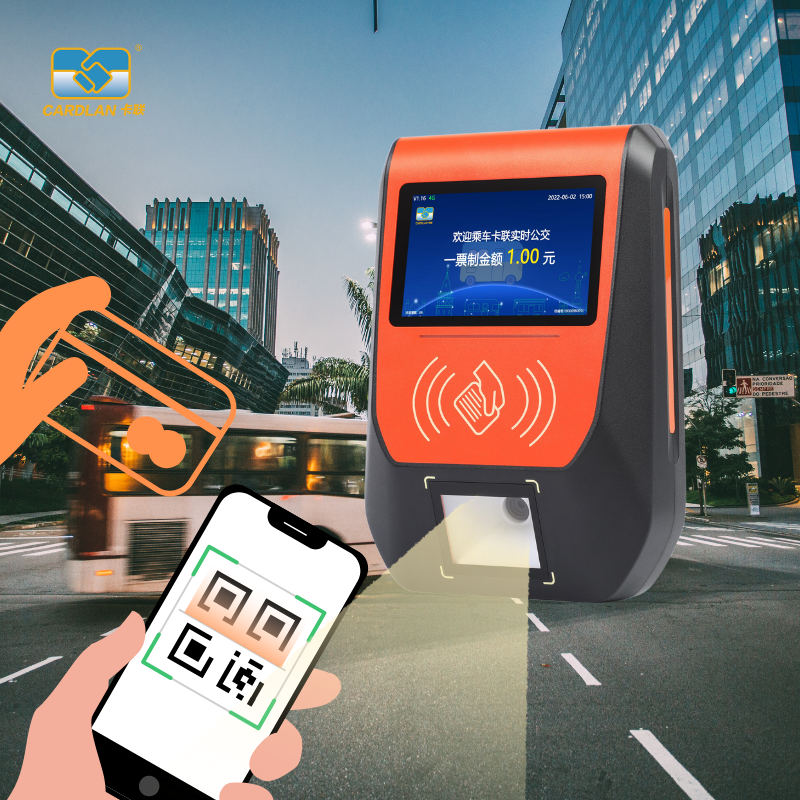 How to develop the bus card reader APP?
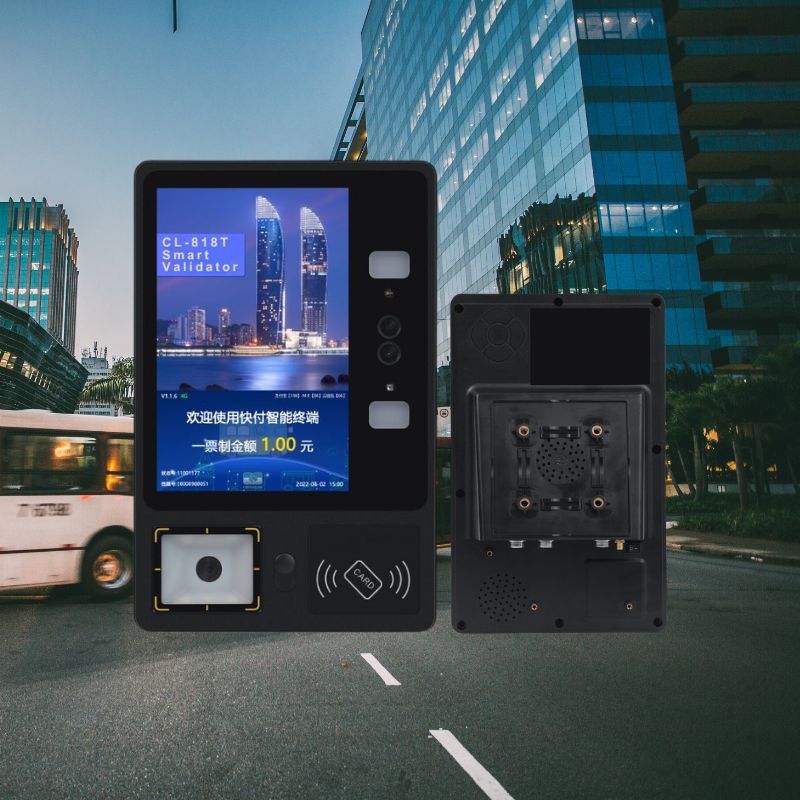 Create smart public transportation to make travel more convenient
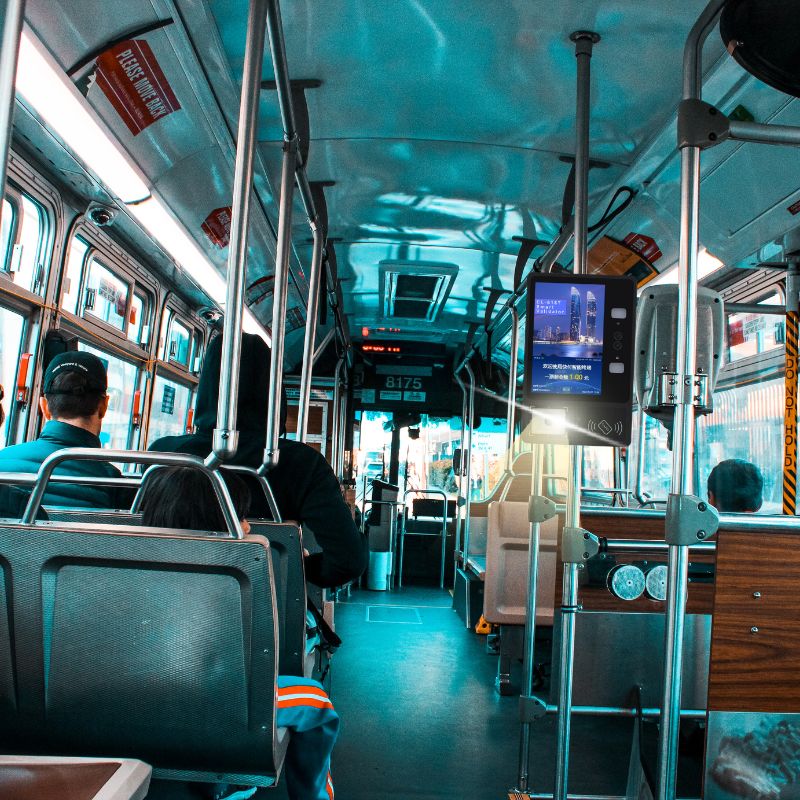 2026 New start of Cardlan bus validators!!!
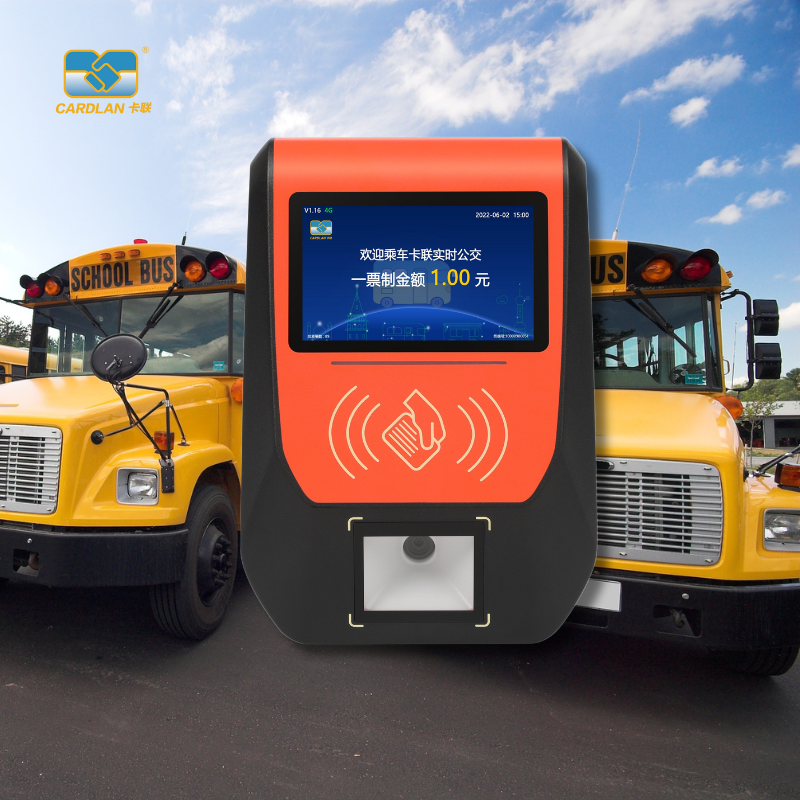 Cardlan Bus segment fare collection system